Give yourself a 25% pay rise

There's nowt more powerful than sorting out your own
finances. By shifting to the best deal on every product, you can give
yourself a 25% pay rise, without cutting back. Before anything else,
this is the most important starting point.
How much? The average UK family could gain £2,500 to £5,000 a year doing this.
How do I do it? Use the step-by-step
Money Makeover guide.
Make your credit card pay you
Cashback credit cards pay you back a proportion of what you spend each time you use them.
Set up a direct debit to pay the card off in full each
month, so there's no interest cost, and you can earn £100s/year. Just
use the card for all your normal spending.
 How much?
 The top cards pay 5% cashback for the first three months.
How do I do it? For updated best buys, see the
Top Cashback Cards guide.
Get Our Free Money Tips Email!
For all the latest deals, guides and loopholes - join the 10m who get it. Don't miss out
Don't accept pitiful savings rates

Make sure you're getting the most out of your savings.
Too many people leave their savings in pitiful high street bank accounts
where former best buy rates have dropped massively.
Even worse, you may have it in a current account earning
just 0.1%. Stop! Five minutes' work will let you increase the interest
massively.
How much? For every £5,000 you have in a
top easy access savings account, you could earn over £100 a year more
than in a poor account – potentially much more if you're able to tuck it
away for a couple of years.
How do I do it? See
Top Savings Accounts,
Starting Saving and
Best Bank Accounts.
Free £150+ for switching to a better bank account
There's fierce competition in the banking market, so
much so, some bribe you to switch - often with as much as £150. As often
these are best-buys anyway, take it and smile.
See
Best Bank Accounts for a full guide on how to switch accounts, what the best deals are and what sort of account is right for you.
Pay off debts with savings
Most people who try to save while they're in debt are
simply throwing their money away. The amount you pay in interest to
borrow is much more than you earn on your savings, so pay the debt off
with savings and you're quids in.
 How much?
 Someone with £5,000 on a
credit card and £5,000 saved is likely to be around £800 a year better
off by paying off the debt with the savings.
Find out more: See the full
Should I Pay Off My Debts?,
Should I Pay Off My Student Loan? and
Should I Overpay My Mortgage? guides.
Get the benefits you're entitled to
There's a plethora of benefits available – the key is
working out whether you're entitled to them. The rather nifty tool from
benefits specialists Entitledto in our
Benefits Checkup guide does the work for you.
For more, read the
Benefits Check-up,
Pension Boosting and
Childcare Costs guides.
Use your credit rating to stooze
Many credit card companies are willing to lend you money
at 0% interest, so why not use this cash for everyday spending,
replacing all other credit and debit card spending?
This means you'll now have debts on your 0% card (make
sure you make the min repayment each month) and a similar amount in
your current account, which you can save in an ISA or high interest
savings account.
Pay off the full balance before the 0% ends, having
earned interest on the money saved. This is known as stoozing. It's
legal and can be profitable, yet it's only for the really
financially-savvy.
For a full how-to, see the step-by-step
Stoozing: Make Free Cash guide.
Flog what you've got – declutter and sell it
Whenever you finish using something, whether it's kids' clothes they've grown out of or an embarrassing old CD... flog it.
To take it up a notch, join the forum's mega-popular KonMari 2016 thread, where fans of the Japanese tidying craze share tips on how to purge every item that doesn't "spark joy".
Flog on eBay for best prices
If you've got it, and don't need it, flog it. Selling on
eBay* usually pays best, yet to really get the eBay cash rolling in, you need to know the etiquette and shortcuts.

Our
40+ eBay Selling Tricks
guide offers a crash course, including how to cut fees, close auctions
at the best time and sell for more with 120 keywords that boost prices
(eg, 'authentic' beats 'genuine').
Sell for free on local Facebook groups
Local
Facebook
groups are where, instead of eBaying second-hand goods, people
harness Facebook's power to sell to others in the local community.
The best bit is there are NO fees, so you keep the profit.
For a crash course in how to earn £100s, see our
Facebook Selling guide. It tells you how to find the right local groups and get the best price, plus make sure you stay safe when selling.
Get Our Free Money Tips Email!
For all the latest deals, guides and loopholes - join the 10m who get it. Don't miss out
Quicker cash for old CDs, DVDs & more

Several sites let you quickly trade in old CDs, DVDs,
computer games and Blu-rays for cash. The sites are easy to use and
give instant quotes, so if you've got loads to get rid of, you could
speedily make a bit extra. Also see how to get
max cash for old books.
How do I do it? Type in the barcode,
ISBN or product name on the site to get an instant valuation. Each site
is different, and some offer more for certain items than others, so
always compare a few. Some also have a minimum number of items you need
to trade in, or a minimum overall value needed, so you may need a few
to sell.
Once you've compared and found the top payer, you simply
accept the valuations and send your stuff to the them. Postage is
usually free, but always check. Always ensure items are packed well, as,
in most cases, any that fail basic quality checks will not be sent back
to you.
You'll then get paid, either by cheque, PayPal or bank
transfer, depending which service you've used. All these companies aim
to send payment for accepted items within about seven or eight days of
receiving them, though forumites' feedback suggests it can be longer.
How much? It varies but as a rough
guide, you'll generally get up to £1 for CDs, £1.50 for DVDs and £10
for computer games, though it can be a lot less. Where these sites win
is convenience.
The top trade-in sites. This
table shows the main players, and what you can trade in with each. They
have been chosen based on feedback from the forum. If you've had a
positive or negative experience with any of these, please post in the
individual forum threads.
Remember there's no protection if things go wrong or a site goes bust. We don't check companies' solvency.
|
Blu-rays |
Books |
CDs |
DVDs |
Games |
What's feedback like? |
| WeBuyBooks |
|
|
|
|
|
Forumites' fave WeBuyBooks.co.uk can be the top payer for books, and some DVDs and CDs. Please feed back your experiences. |
| CeX |
|
|
|
|
|
CeX has been trading for nearly 25 years, and offers cash or store credit for trade-ins. Please feed back what you thought. |
| Ziffit |
|
|
|
|
|
A slightly newer outfit than the others, Ziffit is popular with forumites and pays quickly. Please feed back. |
| GameXchange |
|
|
|
|
|
GameXchange is generally best for retro games (postage isn't free).
Please feed back. |
| Music Magpie* |
|
|
|
|
|
Music Magpie is well-established and feedback's reasonable, though prices aren't always top and payouts can be slow. Please feed back your views. |
| Momox |
|
|
|
|
|
Forumites rate Momox for trading in books, though CDs/DVDs aren't so well paid. Please feed back what you thought. |
Can I do better elsewhere? Yes. Though
hoarders of '90s CD relics and games could make £100s on the side, for
more recent items you may be better off selling 'em individually on
eBay* or other auction sites. You may do better trading in computer games at high street game shops – check these too.
Get max cash for old books

Listing books one-by-one on
eBay* may get the most cash, but it'll take some time. One of the best options for selling old books is
Amazon Marketplace*, as you need only search for the book and write a short description. Your listing stays up till it sells.
Amazon provides full reviews of most from its database –
if you're listing a few in one go, this saves time. It automatically
adds £2.80 for delivery, so ensure your sale price covers postage if
it's a heavy tome.
If you're a professional seller then you will have to pay
£25 a month, but if you're just selling a few items it's 75p per item.
For books Amazon then charges 15% on top as a fee. (It's different for
other items, for a full list see Amazon
fees.)
Use trade-in sites for less hassle. If you need speed and ease, trade-in website
WeBuyBooks.co.uk and
Ziffit let you enter details, they offer a price, and you post books free. Prices can be lower than selling them yourself though.
How much? Potentially £100s if you're selling pricey textbooks, less if it's old paperbacks.
Find out more: See the forum's
Sell Your Books thread.
Flog your old wedding dress – can fetch £500+

If you've an old bridal gown boxed up in the loft, dig
it out and turn it into cash. You could get £500+ for a sought-after
dress by a well-known designer, and depending on how popular your gown
is, you could get the money in time for Christmas.
A host of wedding dress selling sites promise help. Here,
you upload a description and some photos. The buyer usually comes
round in person to try it on.
As you set the price, first find your frock's true worth.
Check eBay to see how much similar dresses have sold for – just fill
in the search box and tick "completed items" on the left-hand grey bar.
Don't just post items to strangers though – it's far
better to get paid cash in hand. Even if you accept a cheque, it can
take a week for it to clear. The exception's eBay, which tends to have
better protection.
How much? This can be big money, as forumite
fran-o
found: "I put my dress on Preloved and had interest from someone who
had tried it on in a bridal shop. She came to try on and bought it for
£550. Very happy!" If you've sold one, let us know how you got on in
the
Sell Your Wedding Dress forum thread.
The top FREE wedding dress selling sites. If
you're looking for speed, you might want to consider the paid-for sites
below, but if you can wait, first try your luck on the fee-free sites.
MoneySavers rate classifieds site
Preloved*
for selling wedding frocks. It's free to sell on and is popular with
brides hunting for second-hand gowns. You can also try wedding planning
site
Confetti's basic, forum-style for-sale section, as well as popular classifieds site
Gumtree.
Also worth adding is
The Dressmarket, where a basic advert with one photo is free (it makes money from selling optional upgrades, eg, extra photos).
The top paid-for sites. No joy on the freebies? While it has a mammoth audience,
eBay*
charges steep fees. You can list 20 items free a month, but if the
dress sells, you pay 10% of the sale price, including postage.
There are also specialist bridal gown selling sites, which are
especially good if you're selling a frock by a named designer. Check out
SellMyWeddingDress (£10 for six months' advertising) and
StillWhite
(£17, but your ad stays up till it sells). While we've little feedback
from MoneySavers who've sold via these, we hear good things from
buyers.
As a rough rule of thumb, eBay wins over the specialist paid-for sites if your dress sells for less than £100.
Spot and flog from car boot/garage sales
If you've an eye for car booty, buy items cheaply and
sell them at a profit on eBay or other auction sites. Be sure to arrive
early to beat other bargain hunters. You can use
Car Boot Junction or
Carbootsales.org to find your nearest car boot sale.

The big money lies in spotting collectables to sell on, so
research online first or (subtly) use your mobile phone's web browser.
There's a quick way to glean a product's market value on
eBay*.
Fill in the search box and tick 'completed listings' on the
left-hand grey bar. It'll come up with a list of prices similar
auctions have already fetched. Then sort by "Price: lowest first".
How much? The earning potential increases with
your knowledge of rare items and collectable brands, and a little luck
doesn't go amiss either. If you're in the right place at the right time,
this could net you £100s extra a year.
Find out more: For more hints, ask on the
eBay, Auctions, Car Boot & Jumble Sales forum board.
Flog old gold

“Sell unwanted gold for CASH!” TV, mags and billboard
ads pulse with promises, yet rarely seem to live up to them.
However, amid the scrap are shining examples – meaning £14 per 9ct stud earrings and £55 per 18ct gold ring is possible.
Full tips on avoiding rip-offs and maximising your earnings in
Sell Gold for Max Cash.
Sell your story
Journalists are always looking for dramatic stories. If you've
been in an extreme situation, come close to death or have any other
gripping or extraordinary tales to tell about your life, why not get
paid and have it published? Even amusing photos can earn good cash
prizes in some magazines.

Many magazines pay a premium for interesting letters and photos.
Love It! magazine pays £100 if your printed pic wins its Cute Wars comp (email
cute@loveitmagazine.co.uk).
Love It! also pays out £50 for shameful holiday
snaps (dodgy sunburn, tanning disasters) that win its You've Been
Shamed category (email
shamed@loveitmagazine.co.uk).
Woman's Own's Smart Shopper page pays £25 for every money saving reader tip that it uses. (Email
womansown@timeinc.com).
How much? A 'star letter' will usually fetch at least £20 in magazines, pictures up to £100.
Find out more: Join the discussion, read other MoneySavers' top suggestions, or add your own in the
Sell your story thread.
Recycle old printer cartridges for cash
Printer cartridges are expensive, sometimes even more
costly than the printers themselves. So, next time one runs out, offset
the cost of a new one by recycling the empty one for cash, or Tesco
Clubcard points.
There are lots of recycling sites out there, so do a bit
of research to find out which are the best payers for your cartridges –
some pay as much as £2 per cartridge, though it's usually much less. Try
Cash For Cartridges,
Recycle Ink Cartridges and
Infotone.
Though some recycling sites will take your empty
cartridges, they may only pay for certain ones, so check feedback and
compare prices.
Alternatively, recycle the empty cartridges with Tesco
and earn up to 125 Clubcard points for each cartridge. Each point is
worth 1p in store but up to four times as much if you redeem on goodies
with Clubcard Boost such as breakdown cover, days out and holidays away.
See
The Recycling Factory for full details.
Read more about Tesco Clubcard: There's more on maximising Tesco Clubcard points in the
Boost Tesco Points guide.
Find out more: Join the discussion, read other MoneySavers' recommendations, or add your own, in the
Recycling printer cartridges for cash thread.
Profit from lost luggage auctions
Ever watched
Storage Hunters, the U.S. show where
people bid for the mystery contents of storage units? Now you can do it
yourself, with lost luggage auctions.

When airlines are unable to reunite lost bags with their
rightful owners, they often sell them off via specialist auction
houses, usually costing £10-£75. For a full guide, including which
auction houses do this, see
Lost Luggage Auctions.
It's also worth checking out
Police Auctions,
where forces in England and Wales use an eBay-style site to sell lost
property or goods seized from criminals when they can't find the
rightful owner. It's cracking for bicycles, among other things.
Rent it out for cash
It's amazing what you can rent out for cash, especially if you live in a busy area.
Ensure you get the most out of your property – even your parking space can be profitable.
Earn £7,500 tax-free by taking a lodger
If you've space and don't mind a stranger intruding on your
Game of Thrones-watching
time, getting a lodger is a fast way to earn £100s. The doozy is that
on 6 April 2016, the amount you could earn tax-free letting a spare
room via the Government's Rent a Room scheme was boosted from £4,250 to
£7,500/year.
The scheme applies when you rent out a furnished room in your
home to a lodger or or take short-term guests through Airbnb (see
Airbnb Room Renting Tips). It also applies if you run a B&B/guest house. It works whether you live in England, Wales, Scotland or Northern Ireland.
If you're renting out a room, you have two options to reduce
tax, though you can only use one of them, not both. So work out the
best option for you first.
- The Rent a Room scheme. This
is a huge tax break for most and really ups the gain. You don't pay
tax on the first £7,500 you make each year from renting out a room
(halved if you share the income with a partner/someone else).
If your income's below this threshold, you don't need to do
anything, as the tax exemption is automatic. If it's higher, you must
complete a tax return – you then opt into the scheme and pay tax on the
remaining amount.
For more, see the Government's Rent a Room scheme info.
- Deducting expenses. Alternatively,
HMRC allows landlords to knock certain costs off before working out
how much tax to pay. This includes guests' share of utility bills and
home insurance (see the quick question below for more).
You can choose not to opt in to the Rent a Room scheme and
instead record your income and expenses on the property pages of your
tax return. This can be a bigger saving in a few cases - though if your
expenses are less than £7,500 it's likely you may be better off with
the Rent a Room scheme.
If you rent out your entire property rather than just a room
through Airbnb etc, this is your only option, as you can't take part in
the Rent a Room scheme.
Quick question
What counts as an 'expense'?
How to find a lodger
If you want to let a room on a longer-term basis, try
SpareRoom and the room-to-rent section of
Gumtree, which hook up people with housemates. Both are free to list on, though there are optional upgrades such as promoted adverts.
Another option's
MondaytoFriday,
a site geared towards part-time renters looking for weekday-only
places, so you get your space back at weekends. A standard ad that runs
for six weeks costs £29.95, so it could be worth trying Gumtree or
spare room first and marking your listing 'Monday to Friday only'.
Temporarily rent out a room or your whole home on Airbnb
Airbnb and other similar sites link up owners with travellers
hunting for a short-term place to stay, whether for holidays or sports
events like Wimbledon. If you're renting out a room for holiday stays
(not the whole house), you get the £7,500 Rent a Room allowance too.
Our 20+ Airbnb Hosting Tips guide is a crash course offers safely letting your spare room or entire property for short periods.
Get cash for spare storage space
If you've unused space in a loft, garage or spare room,
Storemates
puts you in touch with folk who need space. It's free to register and
list, but it charges 15% of the monthly rent if you find a match.
How much can you get? Storemates
recommends charging 50% of commercial price. It automatically suggests a
price, but you can charge what you like. For example, a 20 sq ft loft
space in south London could net £600/year.
Some forumites report earning up to £40 a month, but others
say they've had no response. So it's worth a punt, but not a
guaranteed money-spinner.
 How do I join?
 Register on the
Storemates
website and list a storage space. If someone's interested, they'll
contact you via the site and arrange to check out your space. It
provides a template legal contract to help sort the terms.
Will I need to pay tax on my earnings? Earnings
will need to be declared. However, from April 2017 you will be able to
earn up to £1,000 tax–free from your property, which includes renting
out your storage space. See the
Online Sellers and Room-Renters given £1,000 tax breaks MSE News story.
Will this affect my home insurance? Renting
out part of your property for business purposes without telling your
insurer could invalidate your home cover. Call it and say you're
planning to list your storage space. They usually decide on a
case-by-case basis, but may extend your existing policy for a small fee.
If not, try a broker - see our
Rent a room home insurance system as the principle is similar.
Anything else to watch for? Be prepared
to settle any disputes yourself, and check you're comfortable with
what's being stored. Don't agree to store valuables. This is because
if you have to claim for damage to
someone else's items, most standard insurance policies won't cover this. If you try it, please feed back in the
Rent your storage space discussion.
Rent out your parking area
Is your driveway paved with gold? If you live near a city
centre, airport, train station or footie ground, it might be. You
can earn cold hard cash each month by renting out your drive. Read the
Rent Your Parking Space guide for more.
Rent out your house as a film set
Film and TV production teams are always on the look out
for homes and areas they can shoot in. Your home needn't be Downton
Abbey to qualify – all shapes and sizes can be desired, and rates of
pay can be pretty good.

A number of online agencies will list your property for
free, taking commission once your property is chosen for a shoot (this
varies depending on the property).
Sites worth a look include
Lavish Locations,
Amazing Space and
ShootFactory. See the
film set forum thread for more suggestions and feedback. Never use any that charge a large upfront fee.
How much? It varies widely, but if your property's chosen, as a rough guide you can expect from £500 to £2,000 a day.
And you get to brag about it. Don't bank on being selected though; there are many more properties than film crews.
What kind of home do you need? Living
within the M25 boosts your chances, as does unrestricted parking
nearby. Crews also prefer bigger rooms with plenty of natural light. A
state-of-the-art kitchen might net bookings for cookbook or lifestyle
magazine shoots.
Will this affect my home insurance? Most
agencies have their own insurance for breakages, however renting out
part of your property for business purposes without telling your
insurer could invalidate your home cover. Tell it first if a film
crew's about to rock up.
Do I pay tax on my earnings? You'll have
to declare you earnings so it depends on your circumstances. From April
2017 you'll be able to earn £1,000 tax–free from your property. See
the
Online Sellers and Room-Renters given £1,000 tax breaks MSE News story.
Find out more: Join the discussion, read other MoneySavers' top suggestions or add your own in the
Rent your house as a film location discussion.
Get Our Free Money Tips Email!
For all the latest deals, guides and loopholes - join the 10m who get it. Don't miss out
Reclaim, reclaim, reclaim
Right across finance, companies have been taking or holding
money when they shouldn't. These days it's easy to fight back. This can
mean a boost of £1,000s to your finances in just one go.
Tax rebate for uniform wearers
If you wear a uniform at work, and have to wash, repair
or replace it yourself, you may be able to reclaim £100s of tax for up
to five years of expenses.
This applies whether it's just a branded T-shirt or you're a fully-uniformed pilot, police officer or nurse. Read the full
Uniforms Tax Rebate guide.
Reclaim packaged bank account fees
If you've ever had a packaged bank account (where you pay
£10-£20 a month for add-ons such as travel insurance) that you didn't
ask for, or couldn't use the benefits, try our free
Reclaim Packaged Bank Fees tool.
There’s growing evidence accounts were systemically mis-sold –
with many flogged worthless added insurance. You may be able to
reclaim £100s or £1,000s.
Switched energy in the last six years? Get £100s back in minutes
Disgustingly, if you've switched energy firm in the last
six years and were in credit, some providers operated a 'don't ask,
don't get' policy. That's mostly changed now, but if you didn't get
your money, even if it was years ago, you can still ask.
It only takes a minute or two - see the
Reclaim Old Energy Credit Back guide. Many get £100s.
Find £100s of lost Tesco vouchers
Check your Clubcard account online to see if you’ve any unused
vouchers or able to reclaim lost ones going back two years - some
people find £100s. Full help to do that in the
Reclaim Tesco Vouchers guide.
The guide also shows how you can increase their value up to fourfold.
Check your tax code – you could be due big money
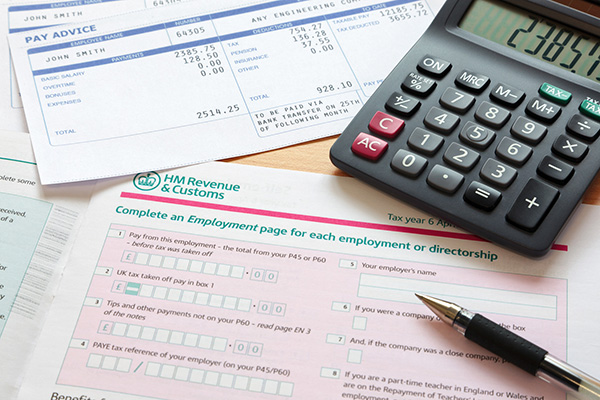
A National Audit Office report's exposed how 3.2m people
between April 2014 and Oct 2015 had an incorrect tax code. Some will
have paid too much and are due cash back, others too little and may
have a horrid shock coming.
It all depends on how wrong your banding was, but it can
range from tens of pounds to thousands. One forum user managed to
claim over £5,000. Use our
Tax Code Checker guide and tool to work out if your code is correct.
Reclaim for train and tube delays
Leaves on the line, the wrong kind of snow and service
faults... delays are all too common on our railways. But it's possible
to claim for a delay if you know your rights. Full details in our
Train Delays and
Tube Delays guides.
Plus if you've an Oyster card or use Tfl, you may be
due a share of more than £200 million.
There's big money sloshing about - if you failed to touch
your Oyster out you can often claim back the excess (some have got £70
on this).
Plus if you now use your contactless card instead, or if
you've an old Oyster, you can claim back old credit. See our
Oyster card reclaiming guide for a how-to.
Reclaim phone/broadband credit
If you've switched TV, mobile, broadband or phone
providers in the last six years, there's a very real chance you're owed a
little cash. One forumite was amazed to get £144 back from TalkTalk.
The
Reclaim Phone Credit guide has more info, plus a full list of contact numbers for providers.
PPI reclaiming

If you've got or had a loan, credit or store card with
payment protection insurance (PPI) in the past 10 years, you may be
able to reclaim £1,000s - for FREE.
We regularly see success stories of over £10,000. Yet the
regulator's announced plans for a time-bar on claims, so check now.
Don't hand 30% to a no-win, no-fee claims handler. Read the step-by-step guides to
PPI Reclaiming and
Credit Card PPI Reclaiming, including template letters and FAQs.
Find lost assets

Billions
languish unused in old bank accounts, pensions, life assurance, Premium
Bonds and investments, whether forgotten in a house move, lost through
a work change, or simply overlooked in the hurly-burly of modern life.
Yet it's usually easy and, in many cases, free to reclaim cash that belongs to you or your family. See the
Reclaim Lost Assets guide.
Reclaim bank charges
If you've been hit with bank charges in the past few years and are in financial hardship, you can ask for them back.
It all depends on your circumstances, but if you incurred
charges of £35, four times a year for the last six years, then on
average that all adds up to a huge £840 payback.
See the
Bank Charges Reclaiming guide for full help.
Council tax rebanding

The council tax system in England and Scotland is
fundamentally flawed. Many people are in the wrong band. It takes 10
minutes to check if you're one of them using our step-by-step
Council Tax Rebanding guide.
Reclaim for flight delays

If you're delayed by more than three hours or your
flight's cancelled, you are often entitled to between £100 and £470
in compensation.
See
Flight Delays
for a full step-by-step compensation guide, including template
letters on how to get your money back for free and how to stop the
airlines squirming out of paying.
Car or bike damaged by a pothole? Claim for it!
Whichever authority controls a road has a legal duty to
maintain it to a fit standard. If it doesn't, and your car's damaged, it
should pay for repairs.
Often you will only get a payout if you can prove negligence, but it's worth giving it a go. Full details in our
Pothole claims guide.
Get paid for your opinion
Many companies' and public organisations' desperate need to test,
talk about and try out their products or ideas on people gives you a
great opportunity to cash in.
Sign up to online survey sites

Willing to give views on One Direction, washing-up liquid or quitting the EU? Our
Top 20 Online Survey Sites guide shows how to make cash by filling in surveys. Committed survey-doers can get £200ish a year.
Attend face-to-face focus groups
Traditional market research focus groups pay generously per session, though you're limited to a few a year.
All it involves is giving opinions, usually with free sarnies, and
you can walk away with £30 to £160. To get started, sign up with
the top agencies listed in our list of
Face-to-face focus groups.
Get paid to watch telly
Telly addicts can cash in by getting paid for their opinion.
Theviewers.co.uk sources research panels for broadcasters and programme makers.
Projects can include giving feedback on TV programmes
before they hit screens, coming up with catchy titles or deciding which
personalities should get more airtime.
You can attend face-to-face research groups (these are
usually in big cities around the UK), fill in surveys online or do
both.
Anyone over 16 can sign up through the theviewers.co.uk
website and you'll have to fill in a questionnaire on your viewing
habits. This allows it to provide info to TV companies that helps them
either select the right demographic for each piece of research or make
sure they are gathering a wide range of opinions.
How much? You'll get £40-£70 for a
two-hour face-to-face group discussion and it's usually paid in cash
straight after the event. Occasionally, there will be an online version
of a focus group, paying the same amount.
The amount paid for online survey varies, for example,
members are often given a choice of 50p via PayPal or a 1 in 5 chance
of winning a £5 Amazon voucher.
Find out more: See a list of other websites where you can get paid for you opinion in our
Survey Sites guide.
Become a mystery shopper
High-street retailers are desperate to check their
in-store customer service is up to scratch, and contract mystery
shopping agencies to do so.
They employ you to visit a specific shop or pub, to rate
service quality or the quality of their goods. If you fancy a bit of
'cloak and dagger' identity, this can be great fun too.
Three of the most popular sites are
Grassroots,
Gapbuster and
Retail Maxim.
How much? Payment for this type of work
varies hugely between agencies. Some pay in gift vouchers, others simply
give you free items. Some will pay you cash too, sometimes as much as
£30 a day.
Find out more: Join the discussion, read other MoneySavers' top suggestions or add your own in the
Mystery shopping discussion thread.
Get Our Free Money Tips Email!
For all the latest deals, guides and loopholes - join the 10m who get it. Don't miss out
Work from home
If you're unable to leave your home, whether due to childcare
commitments or disability, working from your kitchen or spare room can
leave you quids in too. Working on your own isn't for everyone though,
so make sure you're OK with a spot of solitude.
Make £100s as a serial bank-account switcher
Some banks bribe you with free cash to switch. Repeatedly switch to bag sign-up bonuses and you could earn £100s.
One MoneySaver told us he made
£800 switching again and again - for tips and the best incentives currently on offer, see
Best Bank Accounts.
Earn cash online
If you've a computer or smartphone, there's a host of small ways to boost your coffers. Our
30 Make Money Online Tips lists 35 (legit) ways to make money online.
You can get paid just to watch videos, write, search on Google, make your own YouTube clips and much more.
Get PAID £10 to check your credit file(s)
It's crucial to ensure your credit files are correct
and you should check them regularly. Though do it right and we've a
trick that gets you
PAID to check your credit file.
Get paid £25ish/mth to watch vids and play games
Mega-popular with forumites,
Swagbucks gets paid for ads/market research, and you get a cut - often being paid in a month.
See
Earn Cash Online for a full how-to, including
a link for you to accrue £5 and get a bonus £10.
Bank with Nationwide? Get £100 for you and a friend
If you've a Nationwide FlexAccount, FlexDirect or
FlexPlus account, and you rate it, if you refer a friend who opens one,
you get £100 and so do they.
You can refer up to 10 friends each year, so that's a grand. See
Best Bank Accounts for more details.
Get paid to check shops' prices
If you've an iPhone, take on a mission (should you choose to accept it) from free app
Field Agent; it pays up to £10/job to check prices/snap photos.
Yet you're competing against others for jobs, so don't get too excited. See our
Make Money Online guide for this and more money-making apps.
Enter contests as a cash boosting hobby
From cars to £20,000 cash, five-star USA holidays to
£10,000 Tesco gift cards or even two years' rent paid, MoneySavers
have won it all. It's all about 'comping', a potentially profitable
hobby for the lucky.
Comping's about systematically sourcing and entering
hundreds of the contests, using web gadgets to fill out forms at speed,
answer questions and help with tie-breakers. There's full help in
the
40+ Comping Tips guide.
Do some freelance work

If you've skills in a specific area, you may be able to do a little freelancing on the side.
International project recruitment site
PeoplePerHour
allows companies to list projects they want completed. Freelancers
'bid' on projects, saying why they'll be the most suitable candidate
and entering their price for the work. The site's free to join and bid
on work, but a fee is taken out of your pay for each job.
How much? It depends on the job, the
duration and skills involved, and how many freelancers are competing for
it. The only drawback is you might find yourself competing against
workers from countries with a much lower cost of living, who can
undercut you.
Find out more: Join the discussion, read other MoneySavers' top suggestions or add your own in the
Freelancer discussion thread.
Take in foreign exchange students

Renting
out a room provides a stream of ready money, and a handy tax break
means you can keep a decent chunk of it out of the taxman's hands.
Get in touch with local secondary and language schools to
enquire about how often they take students, and the vetting process.
This can be a tidy little earner.
How much? Rates of pay vary depending on
the level of accommodation you provide, but as a very rough guide you
can expect to earn upwards of £80 per week per student.
Find out more: Join the discussion and read other MoneySavers' top suggestions or add your own in the
Take in foreign exchange students discussion.
Solve companies' problems
Several companies put problems online and offer cash to people who can come up with effective solutions.
While not a guaranteed way to grab cash, these can be an
interesting, fun, and lucrative way to spend your spare time if you're
a business or science boff.
At
InnoCentive
companies post dozens of challenges offering big money for the best
solutions, though they're often quite technical. A typical example's
£5,000 for low-cost labelling solutions for reuseable glass containers.
Also worth a look is
Idea Connection. Register and it sends you email invites to help solve firms' problems for cash.
How much? It depends on the challenge, but top paying solutions can be worth about £600,000 if you come up with a brilliant idea.
Find out more: Join the
Solve companies' problems for pay discussion.
Iron out your finances
Set up a professional ironing service, advertising in
local shops and newspapers. A good tip is to advertise in the poshest
part of town; that way you can charge more.


 7.7k
7.7k 7.7
7.7


 There are scores of legit ways to add to your income,
whether selling stuff, working from home or going online. After all, no
matter how good a MoneySaver you are, a bit more money's always useful.
There are scores of legit ways to add to your income,
whether selling stuff, working from home or going online. After all, no
matter how good a MoneySaver you are, a bit more money's always useful.